
How to choose a legacy modernisation partner in the UK: criteria, red flags and ten questions to ask
Criteria, proof to ask for, pricing models and ten questions for choosing a UK legacy system modernisation partner. A neutral guide by Hollinford.
Clear, practical writing for UK business leaders considering system modernisation covering risks, costs, and realistic options.

Criteria, proof to ask for, pricing models and ten questions for choosing a UK legacy system modernisation partner. A neutral guide by Hollinford.

Hollinford Technologies is featured in The Manifest's list of Nottingham enterprise application modernisation services. See how we help UK businesses.

Hollinford explains what a UK software architecture audit covers, what it costs, how it differs from a code review and how to choose a provider.

Two critical PHP flaws allow remote code execution without a login. Fixed versions, interim steps and what unsupported PHP means for UK businesses.

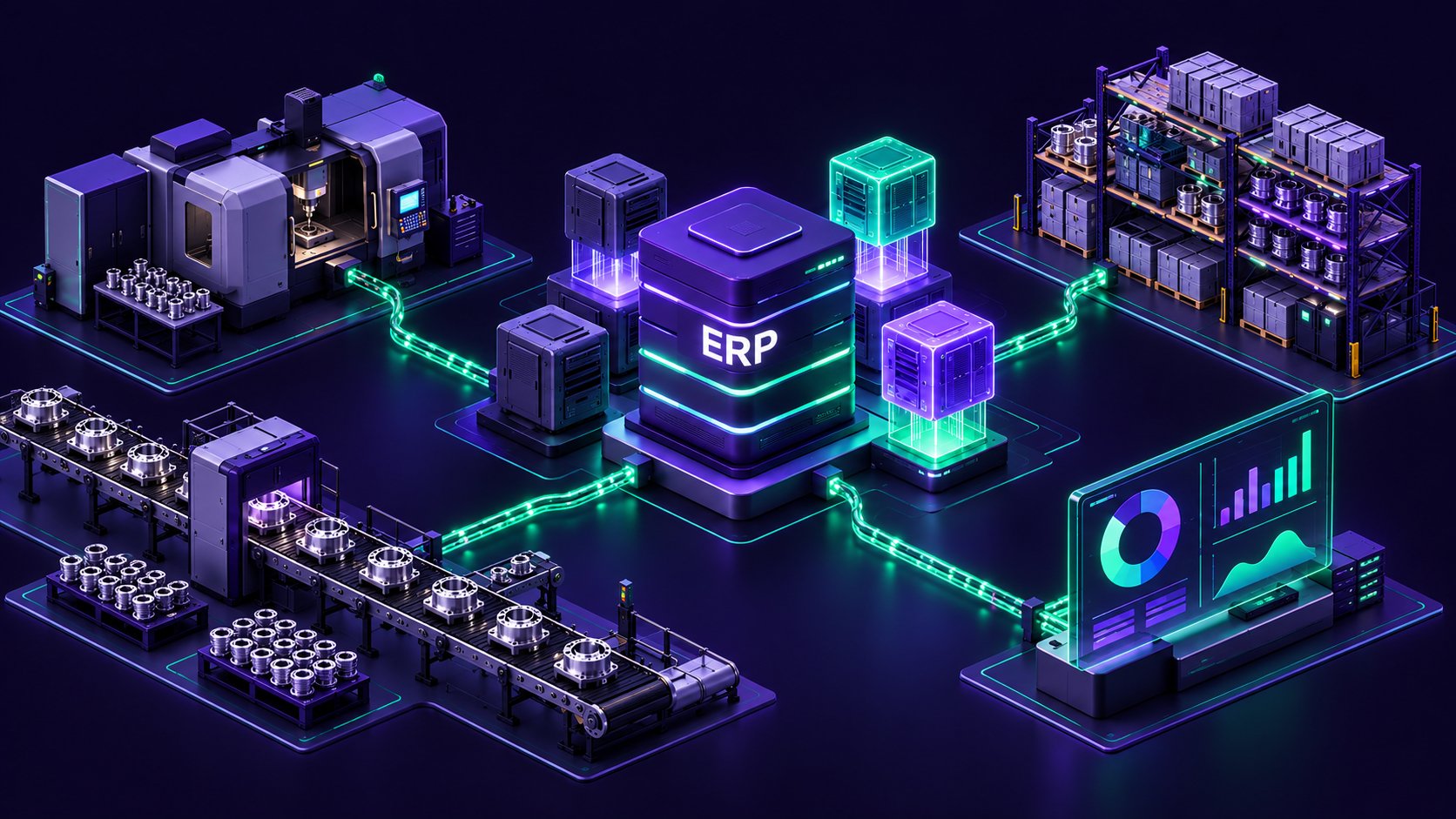
Support for Sage 200 Manufacturing has ended, and it's not the only ageing system UK manufacturers rely on. Here's how to approach ERP modernisation properly.

One person holding the knowledge of your core systems is a bigger risk than most businesses realise. Here's why it happens, and what actually helps.

Hollinford Technologies will be attending FinovateFall 2026 on 11 September at the Marriott Marquis Times Square in New York.

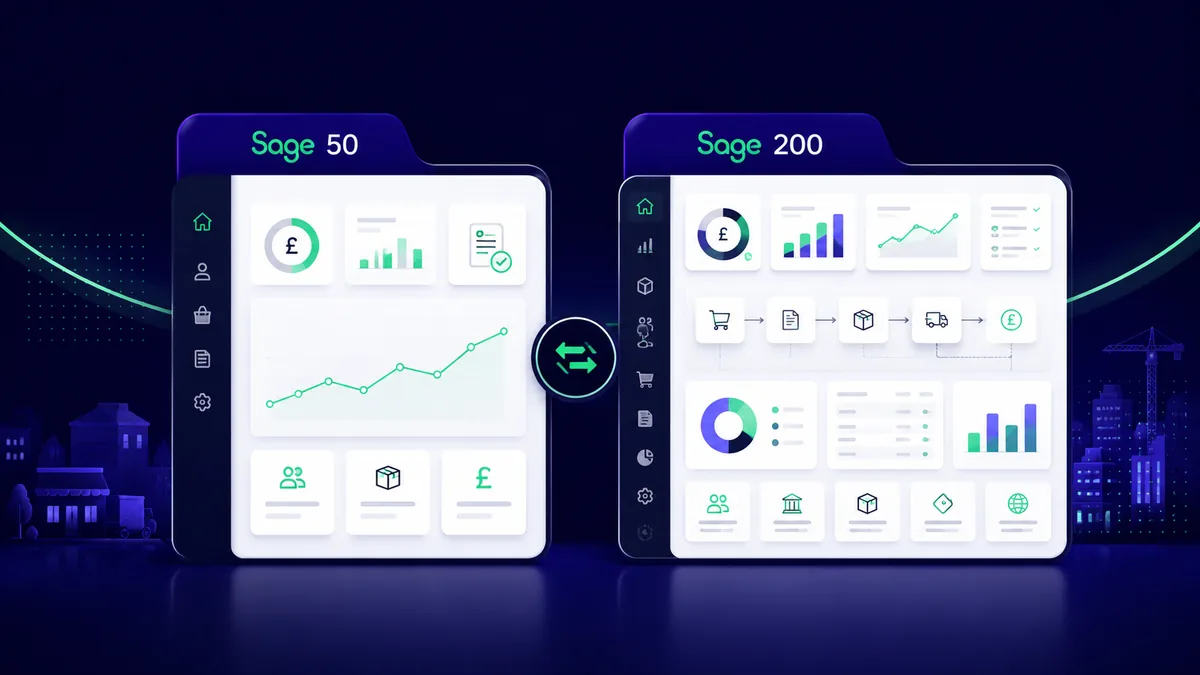
Hollinford provides a vendor-neutral comparison for businesses assessing an upgrade from Sage 50 to Sage 200, examining features, costs, tiers, and when alternatives make more sense.

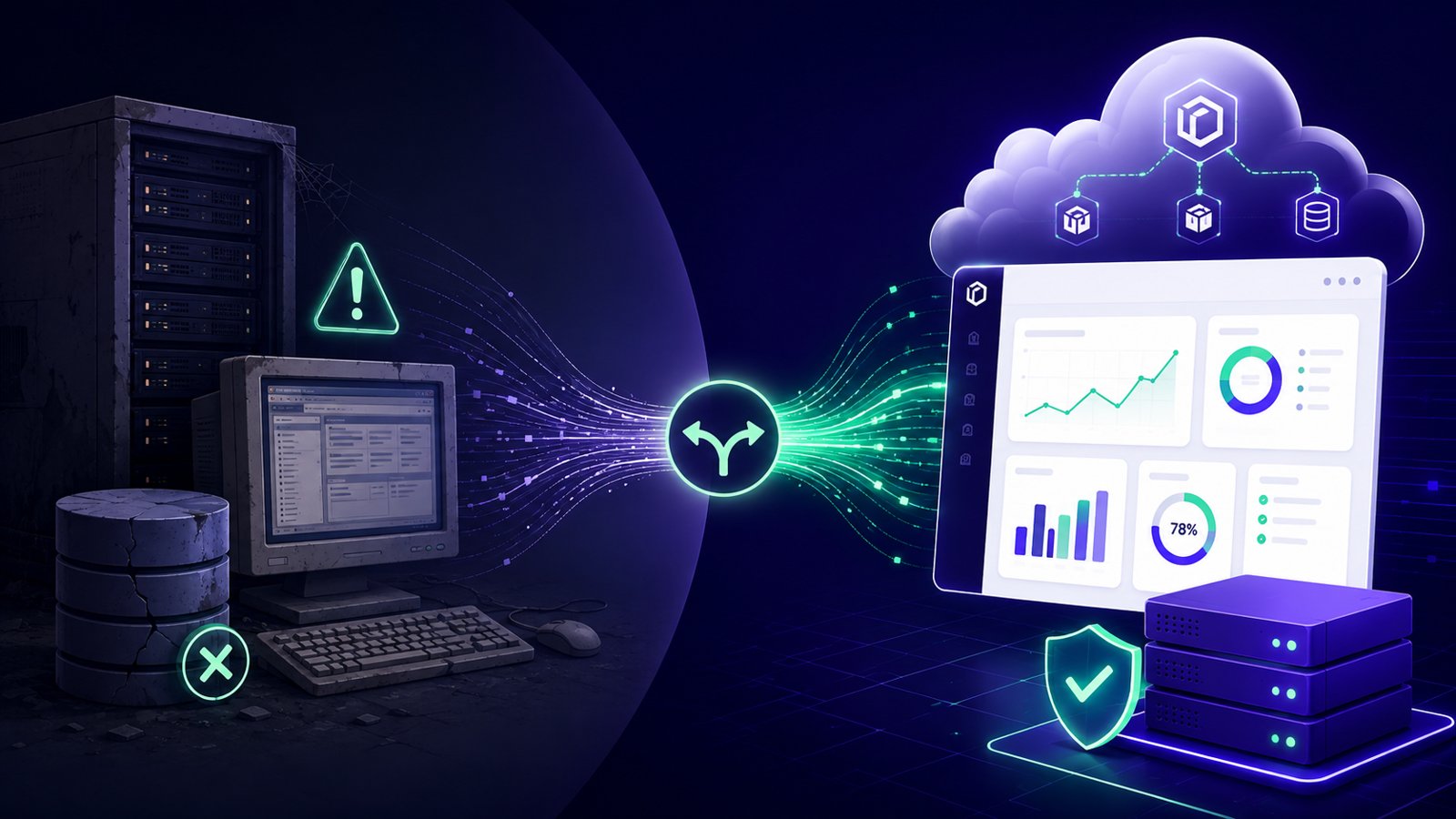
What happens when software reaches end of life? The risks, the difference between EOL and EOS, and how UK businesses can plan a safe transition.

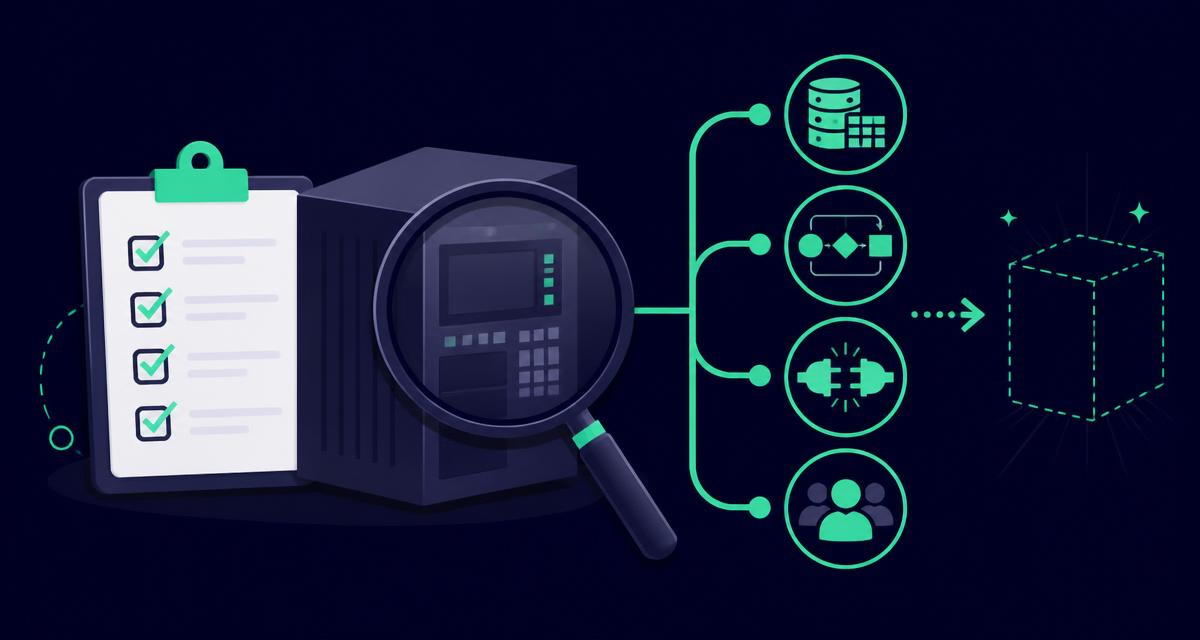
A practical checklist for UK businesses replacing legacy software: what to examine in data, workflows and unused functionality before you commit to a rebuild.

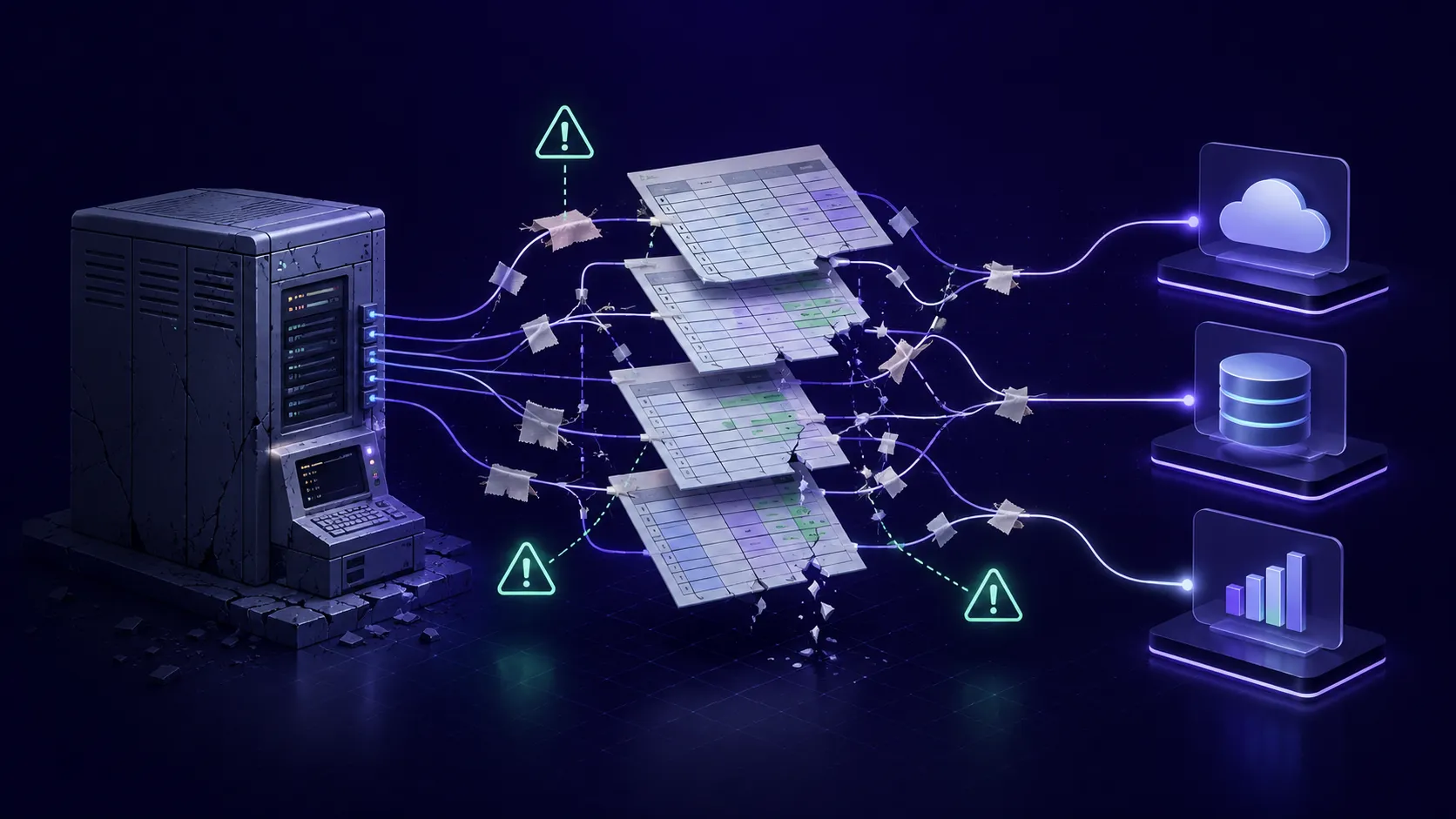
How Excel workarounds and manual processes signal growing legacy system risk, and what UK businesses should check before replacing or rebuilding.

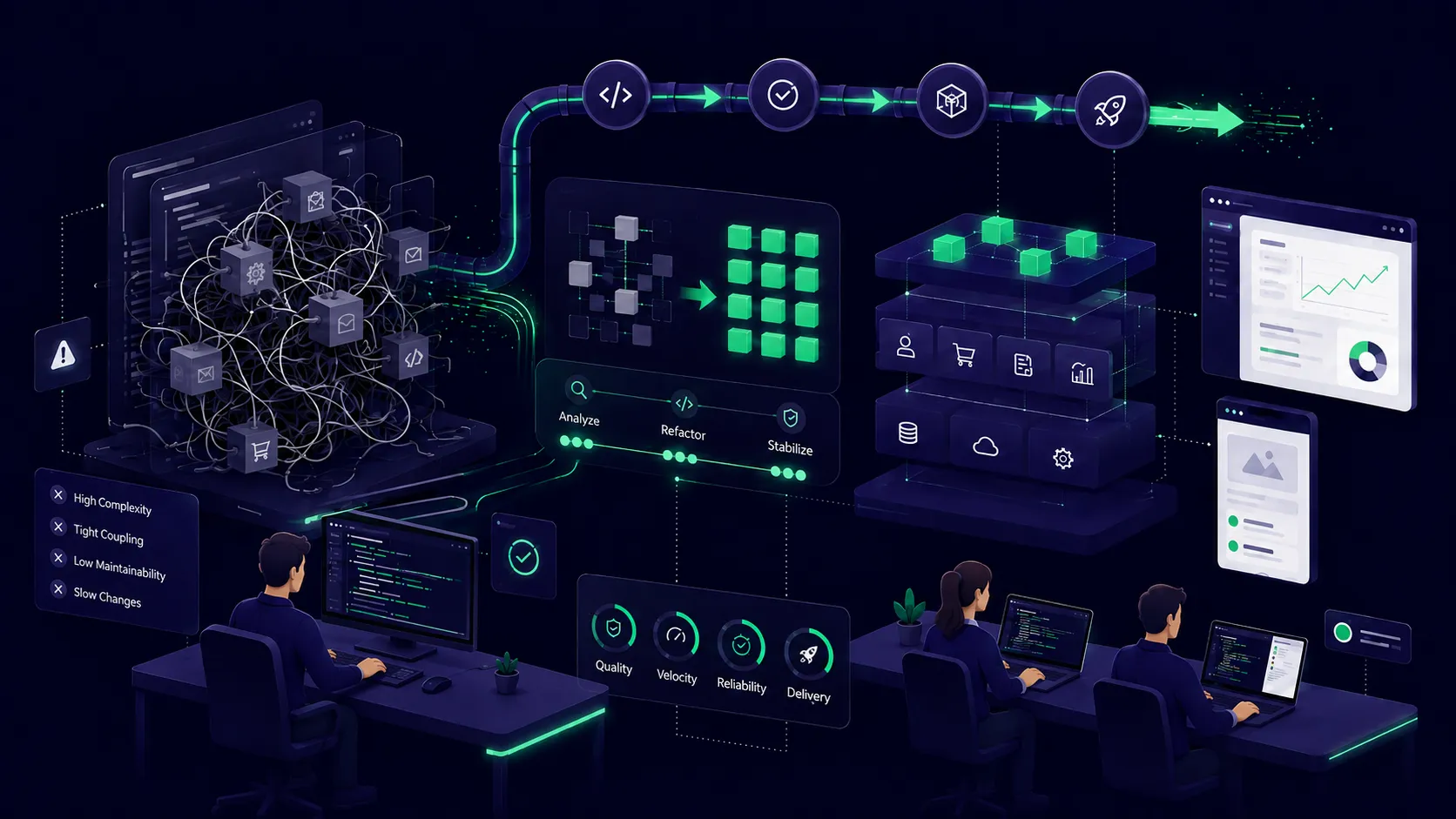
Hollinford outlines practical approaches to managing technical debt in SMBs: the 20% rule, backlog prioritisation, strangler fig pattern, and when to bring in professional help.

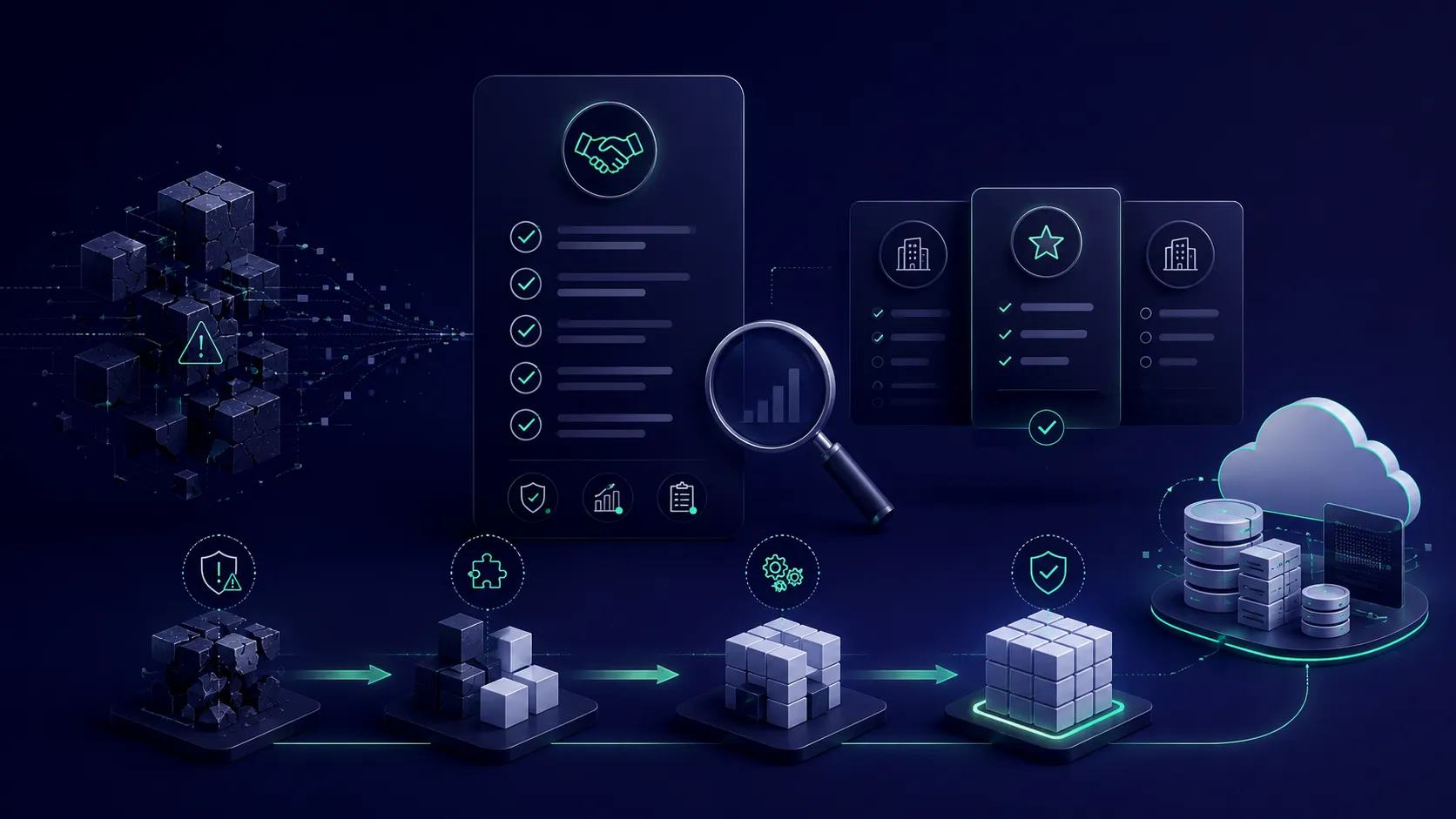
Choosing the wrong modernisation partner costs months and money. Use these 8 questions to evaluate vendors, spot red flags, and find the right fit for your business.

AI speeds up legacy software modernisation, but the harder decisions still need a process. Here's where the line sits.

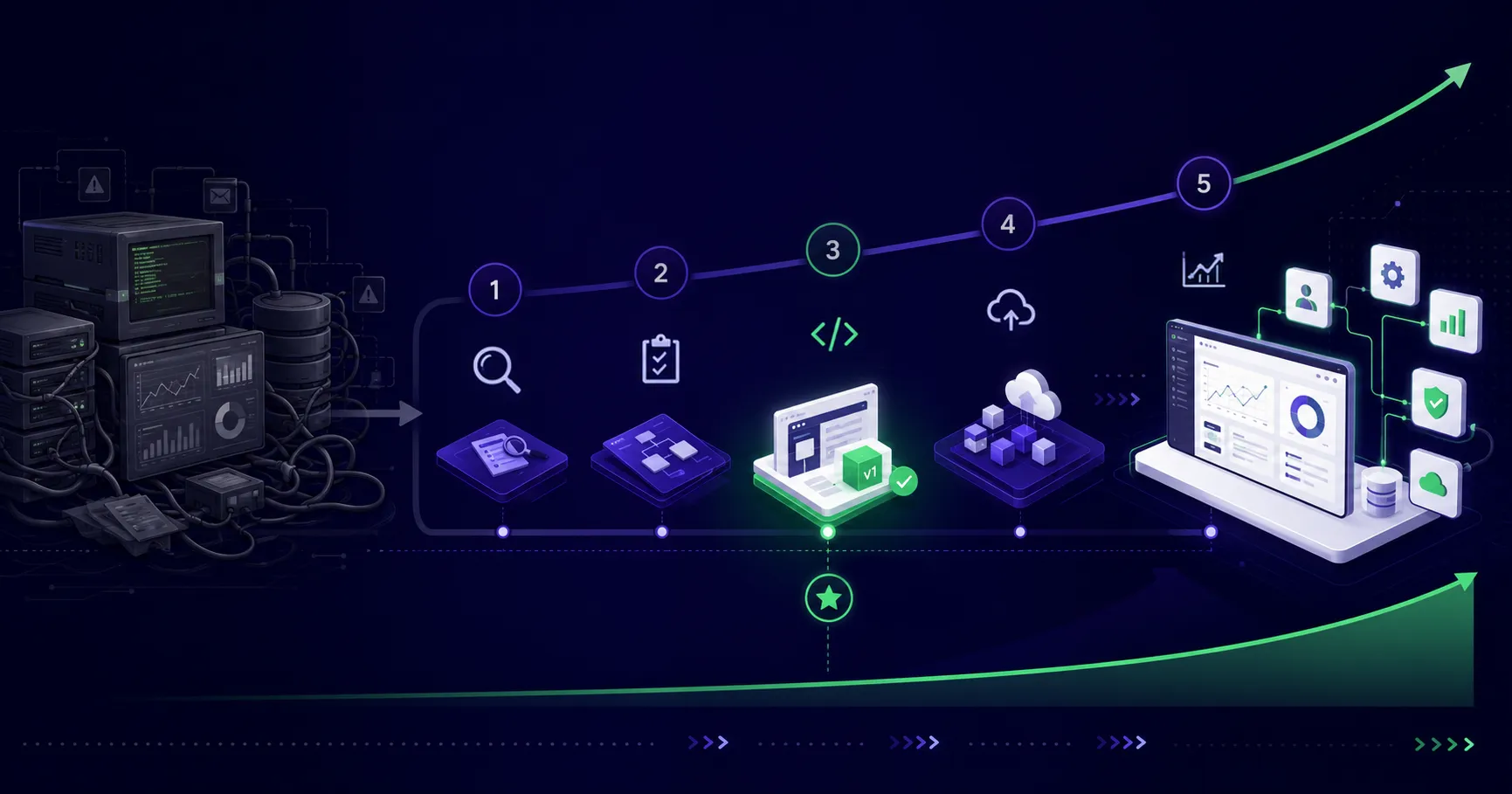
Hollinford estimates that legacy modernisation for SMBs typically takes 3 to 18 months, with first results in 2-4 months. Learn the 5 phases, realistic timelines, and what affects your schedule.

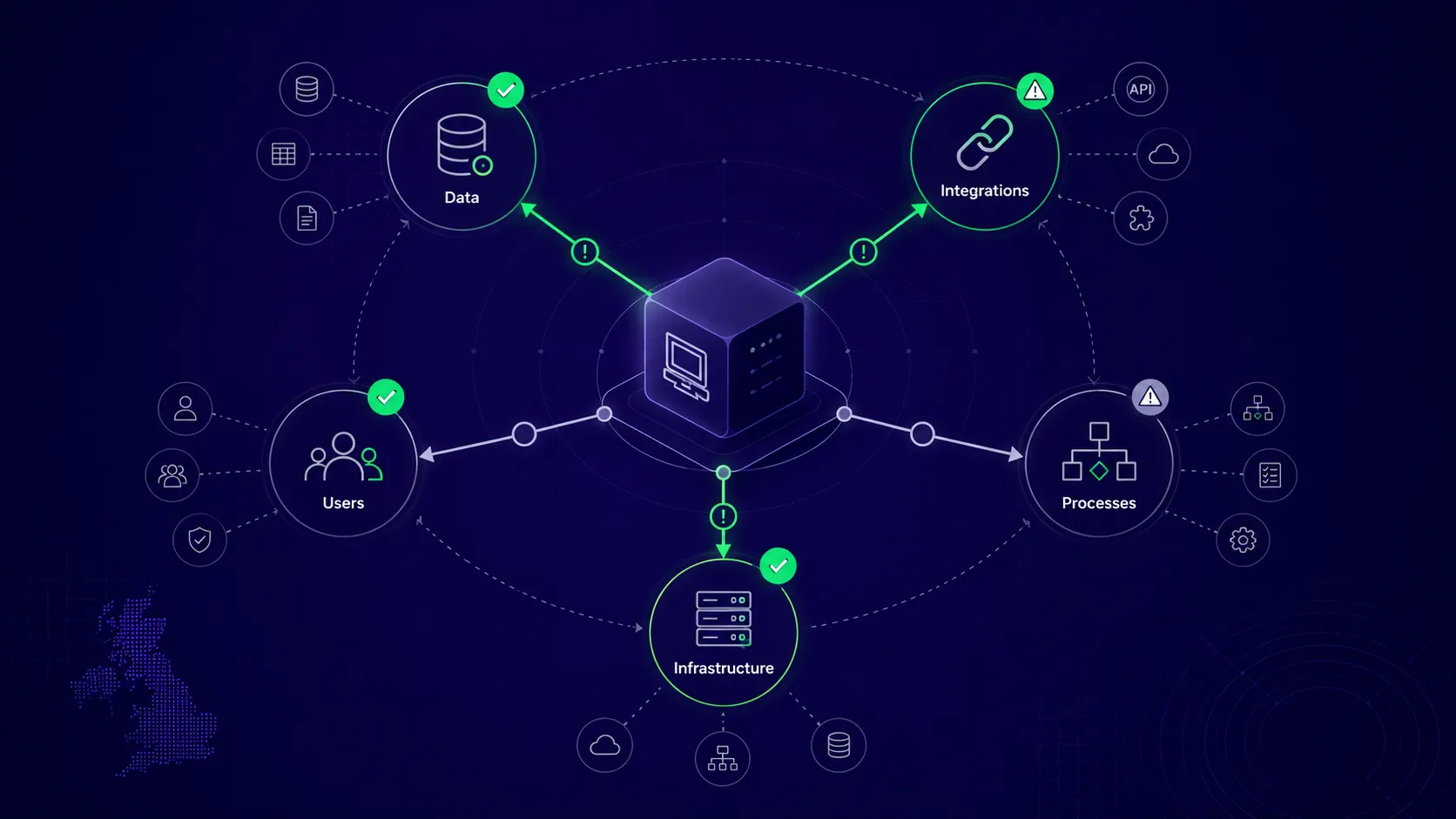
Hollinford cautions that migrating a legacy system without mapping its dependencies first is a recipe for broken integrations and lost data. Here is a practical 5-step process for SMBs.

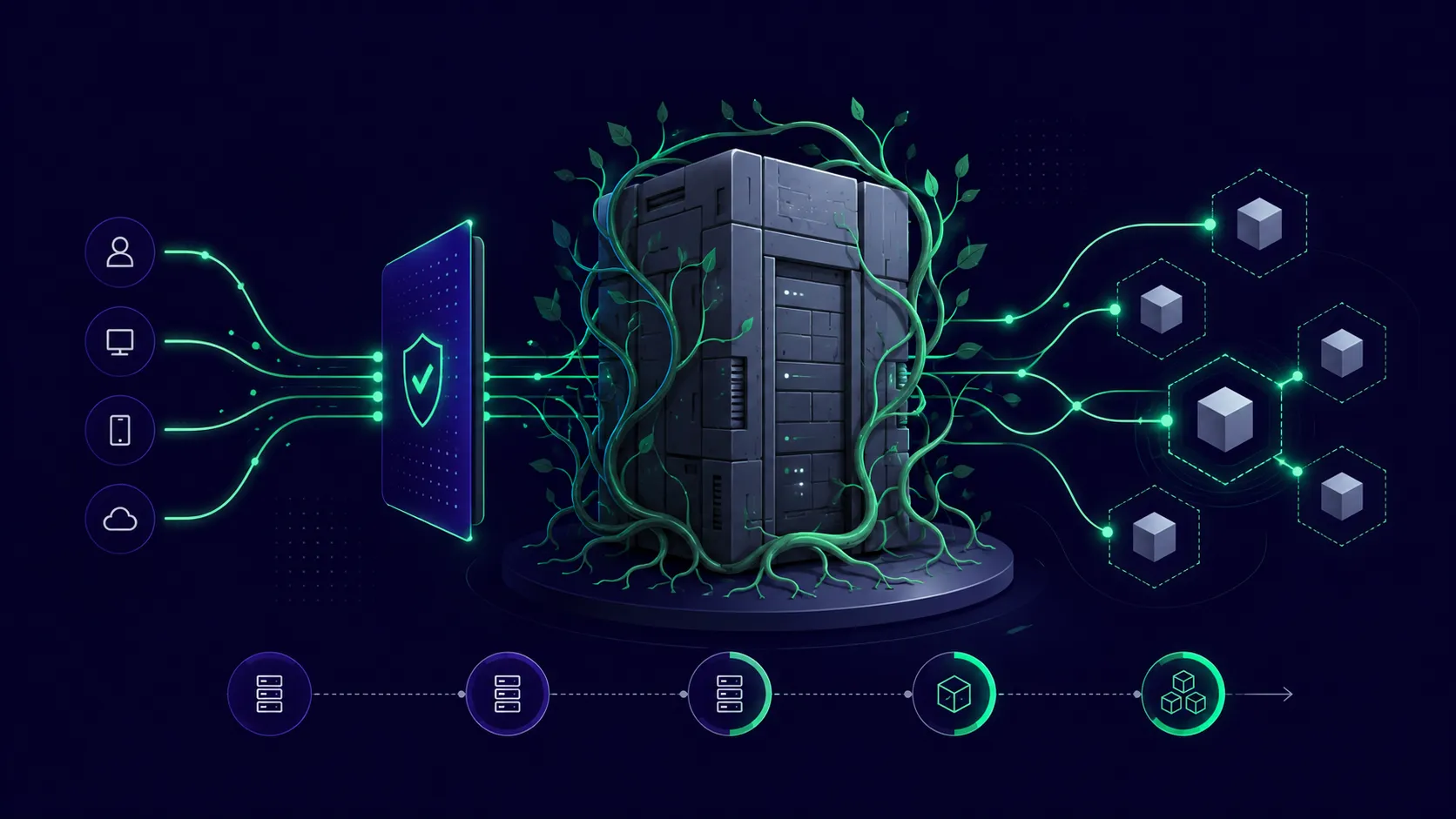
The strangler fig pattern lets you modernise legacy systems piece by piece, without stopping business. Learn how it works, when to use it, and common mistakes to avoid.

Hollinford highlights how legacy systems cost more than your IT budget shows. Learn how to calculate the true cost of ownership, spot hidden expenses, and build the business case for change.

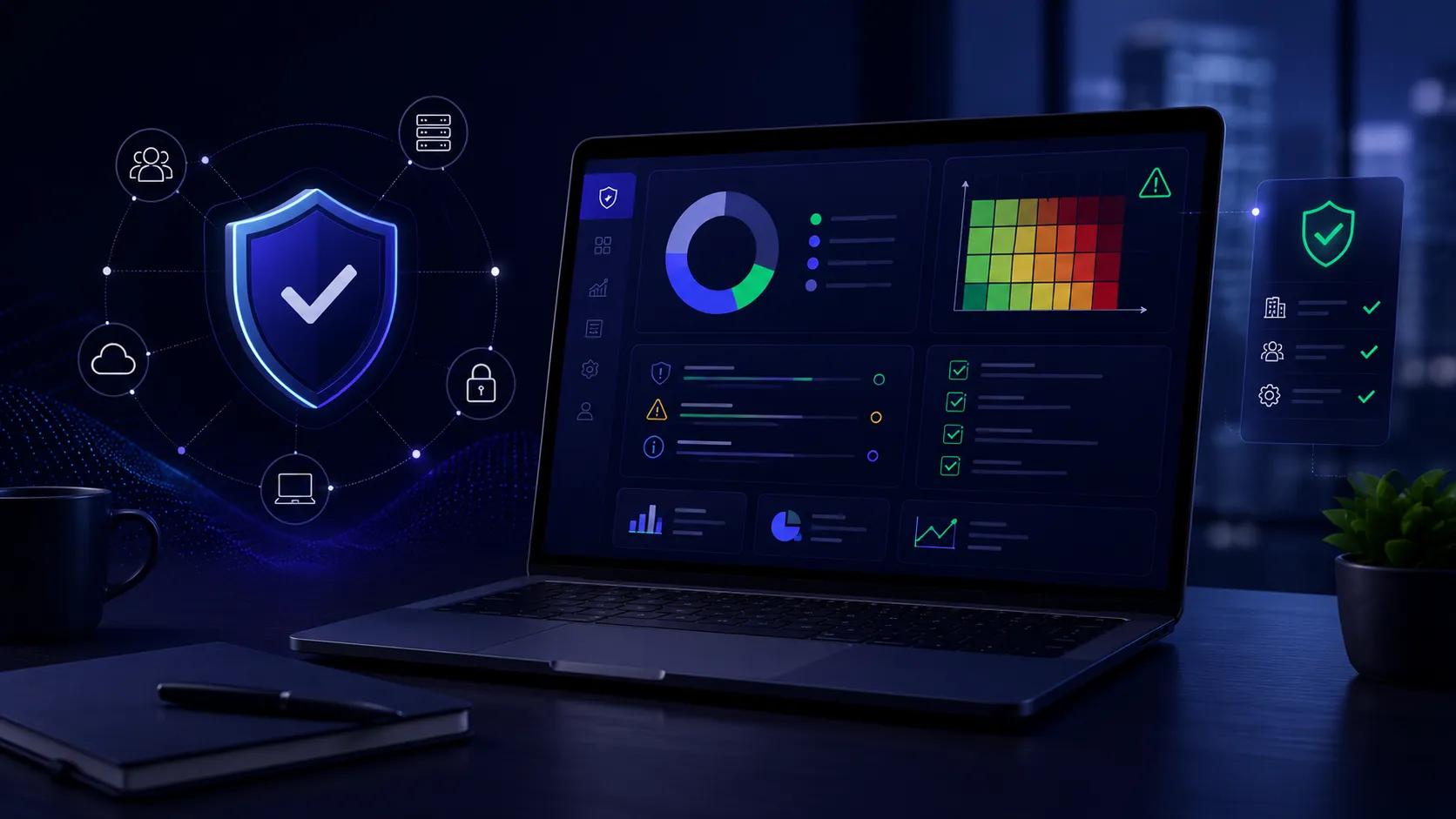
A step-by-step guide to IT risk assessment for small and medium businesses. Identify threats, assess impact, and prioritise action.

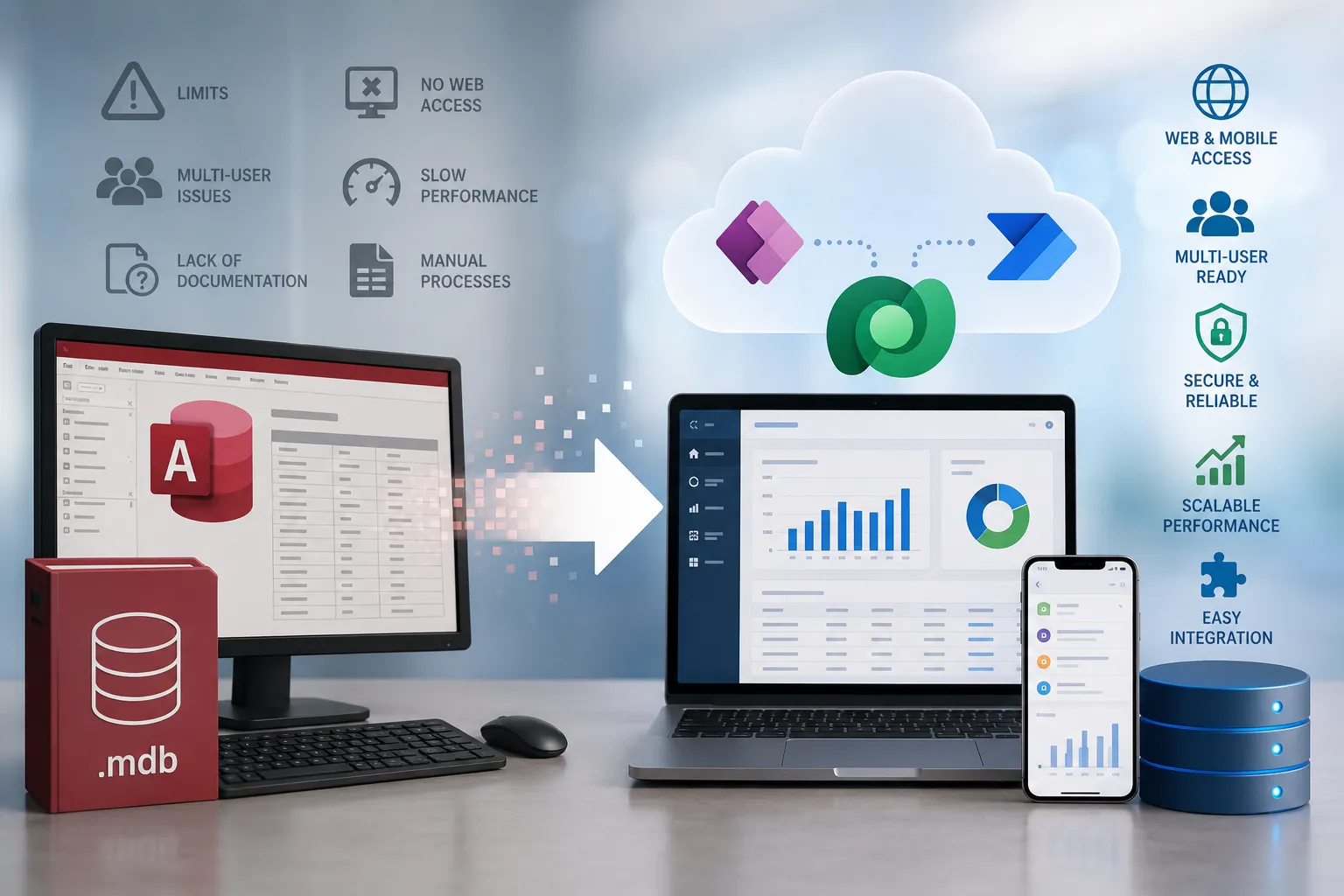
A practical guide to replacing your Access database. Learn when to migrate, what alternatives exist, and how to plan the switch without losing data.

Should you rewrite your legacy software or modernise it? A practical decision framework for UK business leaders weighing the trade-offs.

A practical IT audit checklist for small and medium businesses. Eight areas to review — hardware, software, security, compliance and more.

What actually qualifies as a legacy system, how to recognise one in your own business, and what realistic options are out there when you decide to act.

Technical debt slows your business and drains your budget. Learn what it is, how to spot it, and what you can do about it — written for leaders, not developers.
Take the next step beyond reading — see how we modernise legacy systems in practice.